Understanding Livestock Risk Protection Insurance: Insights from Trista Gruntmeir

When market prices swing unexpectedly, livestock producers can find themselves facing significant financial risk. Livestock Risk Protection (LRP) insurance is one tool designed to help ranchers manage that uncertainty. We spoke with Trista Gruntmeir, Crop Insurance Specialist at Farm Credit of Southern Colorado’s Burlington branch, to break down what LRP is, how it works, and who can benefit.
What is Livestock Risk Protection Insurance?
“LRP is an insurance program designed to protect ranchers from declines in market price,” says Gruntmeir. “With an endorsement, you can lock in a specified number of head and target weight with a contract end date. If the market price on the end date of your endorsement is lower than what you locked in, you get paid the difference.”
In other words, LRP creates a safety net—helping producers plan ahead with more price certainty.
Who Should Consider LRP?
According to Gruntmeir, “Anyone with a share in live cattle could benefit from LRP insurance. Any producer who wants price certainty without the complexity of a futures market” should take a closer look. This includes cow-calf producers, feedlot operators, and small-scale producers.
How Does LRP Protect Against Price Drops?
Gruntmeir explains, “It works similar to a put option in commodities markets, locking in a floor price while allowing the producer to benefit if the market goes up. There are no margin calls or upfront premiums—premiums are due after the coverage period. You simply must have ownership of covered livestock.”
This flexibility makes LRP attractive for many operations, especially those looking to manage risk without navigating the futures market.
What Types of Livestock Can Be Covered?
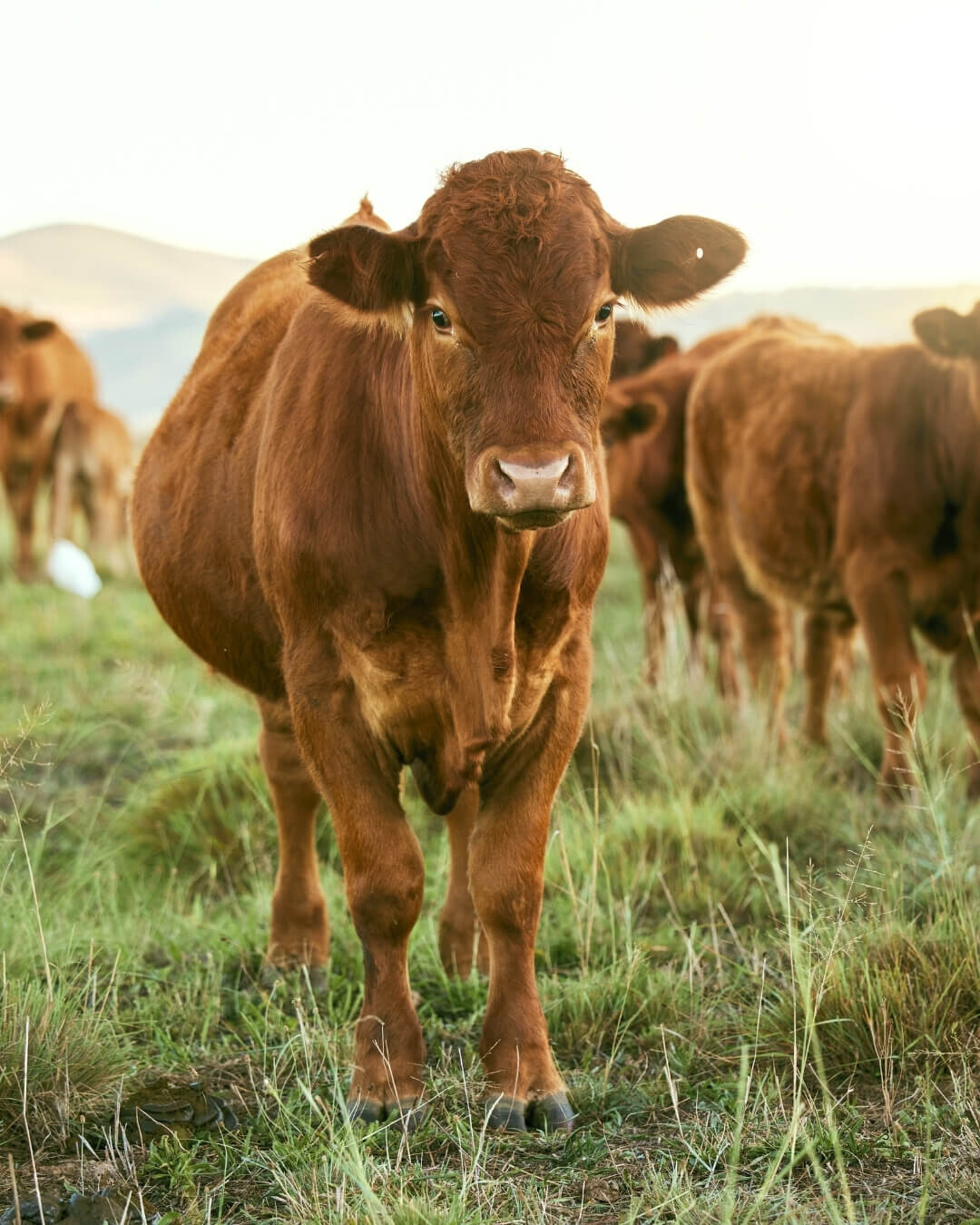
“You are able to cover multiple breeds of cattle, unborn calves, feeder cattle, fat cattle, swine, and lambs,” Gruntmeir notes. That variety means LRP can be applied to a wide range of production operations.
How is LRP Different from Other Livestock Insurance?
“It is only a price protection,” Gruntmeir emphasizes. “It does not cover death, disease, theft, or other physical losses.”
For ranchers looking to manage market price risk rather than physical loss, LRP offers a targeted solution.
Final Takeaway
Livestock Risk Protection insurance gives producers the ability to lock in prices, providing stability in a fluctuating market. As Trista Gruntmeir points out, it’s not about replacing other risk management strategies—it’s about adding another layer of financial protection to keep operations strong and resilient.
This blog post is for informational purposes only and should not be considered financial, legal, or investment advice. Any information contained in this post is subject to change without notice and should not be relied upon without seeking the advice of a qualified professional. The views and opinions expressed in this post are those of the author and do not necessarily reflect the official policy or position of our Association. The author and Association are not responsible for any errors or omissions and are not liable for any losses or damages arising from the use of the information contained in this post.
Share This Post
Copied link